
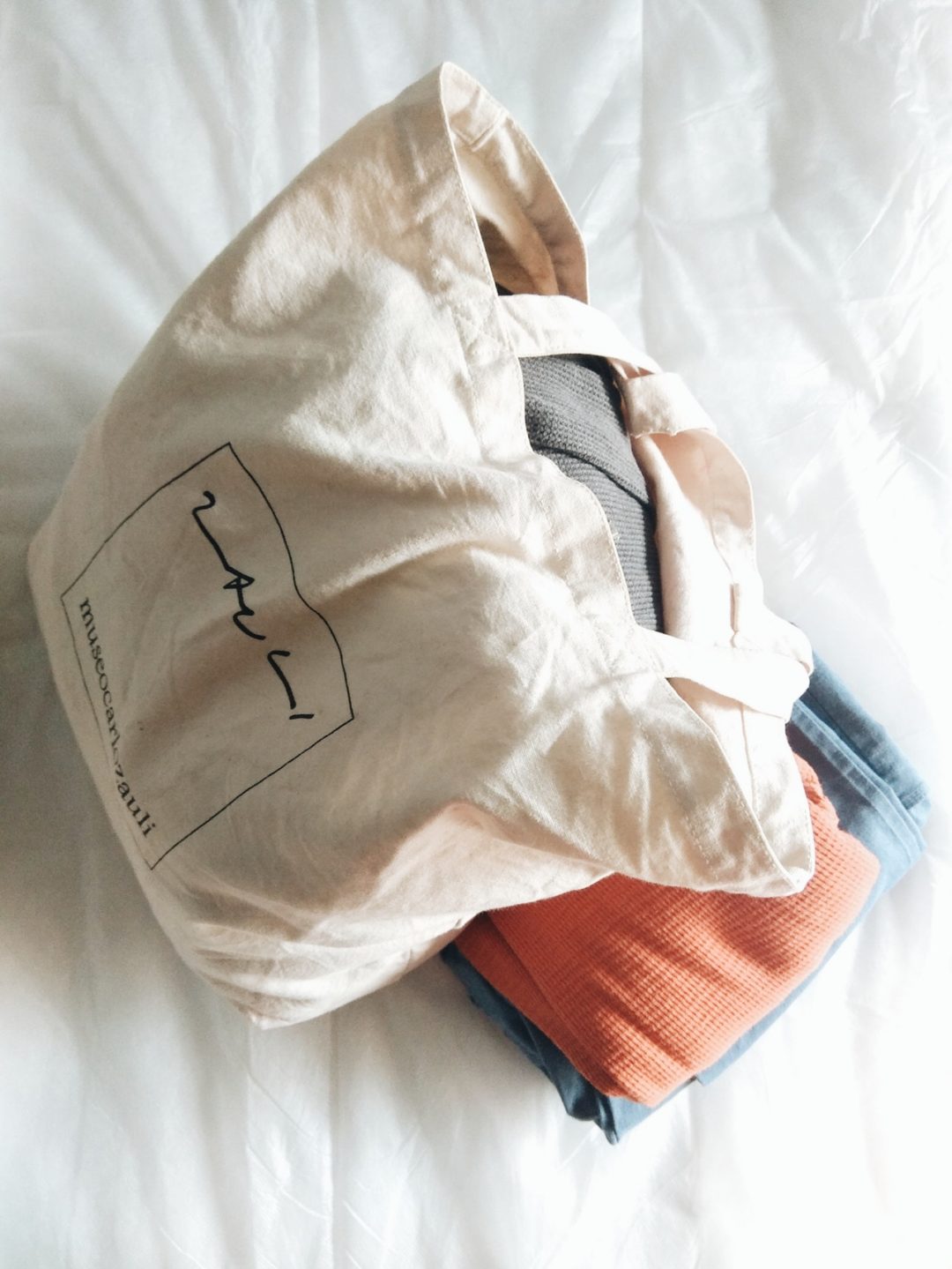
The demand for ethical clothing is on the rise and 68% of people surveyed said they are willing to pay 50-100% more for clothes that are sustainably produced. However, being an ethical consumer isn’t always easy; it requires a lot of research in order to find the companies that are truly ethical and it might even mean ditching some of your favourite brands until they ethically produce their goods. Here are five top tips on how to start buying clothes more responsibly and gradually become a more ethical consumer.
Educate Yourself
Before you start your journey on becoming a more ethical consumer, you have to learn more about why it’s important. More than just a fashion fad or a way to wear alternative and trendy looking clothes, ethically produced clothes are important for the environment, workers rights, and also animal welfare. For instance, did you know that more than 100 million animals are killed for their pelts each year? This is not a sustainable way of sourcing your clothes and a faux fur alternative could be more appropriate.
Buy Clothes You Will Get A Lot Of Wear Out Of
With responsible shopping, less is more. You can still go on shopping sprees but it’s important to be more aware of the products you’re purchasing. Ask yourself if you really need an item and if you will get multiple uses out of it. It’s estimated that people don’t wear 50% of their wardrobes, most of which are impulse purchases that are likely to end up in landfill. Being more aware of the clothes you buy is also great for your bank balance – if you wait for flash sales and clothing discounts, you could use those savings to invest in a holiday or experience day.
Research Brands
Research is key when it comes to buying clothes responsibly. Your favourite brand might be subject to some unethical company practices that aren’t environmentally friendly or don’t respect a worker’s rights. Even if a certain brand does have ethical practices, it might be affiliated with another brand that doesn’t, which makes it just as morally ambiguous. Do some in-depth research into brands and keep up to date with websites that list the ethical clothing companies. If you’re browsing the clothing racks, always check the labels; clothes made of more natural materials such as cotton are typically better for the environment and you can trust that workers farming the cotton aren’t exposed to toxic chemicals.
Boycott Unethical Brands
Investing in ethically responsible brands is one thing but that doesn’t mean that you should turn your back on the companies that still have immoral practices. Take a strong stance and refuse to invest in clothing companies that refuse to change their habits. Make your voice heard and educate others about why you’re refusing to invest in a certain company. You should also lend a more positive voice to companies that are ethical, as well as those that produce clothes locally.
Donate Or Reuse Old Clothes
Clothes don’t last forever and each item in our wardrobe will eventually grow out of its use. However, putting them straight in the bin shouldn’t even be an option. More than 15 million tonnes of fabric and textiles are discarded every year in the USA, most of which will take years to decay in landfill. Even if clothes and shoes are weathered and torn, they can still be donated to your local charity shop and this is a much better alternative to throwing them away. If you’re creative enough, you can come up with great ways to repurpose old clothes into an entirely unique item.